
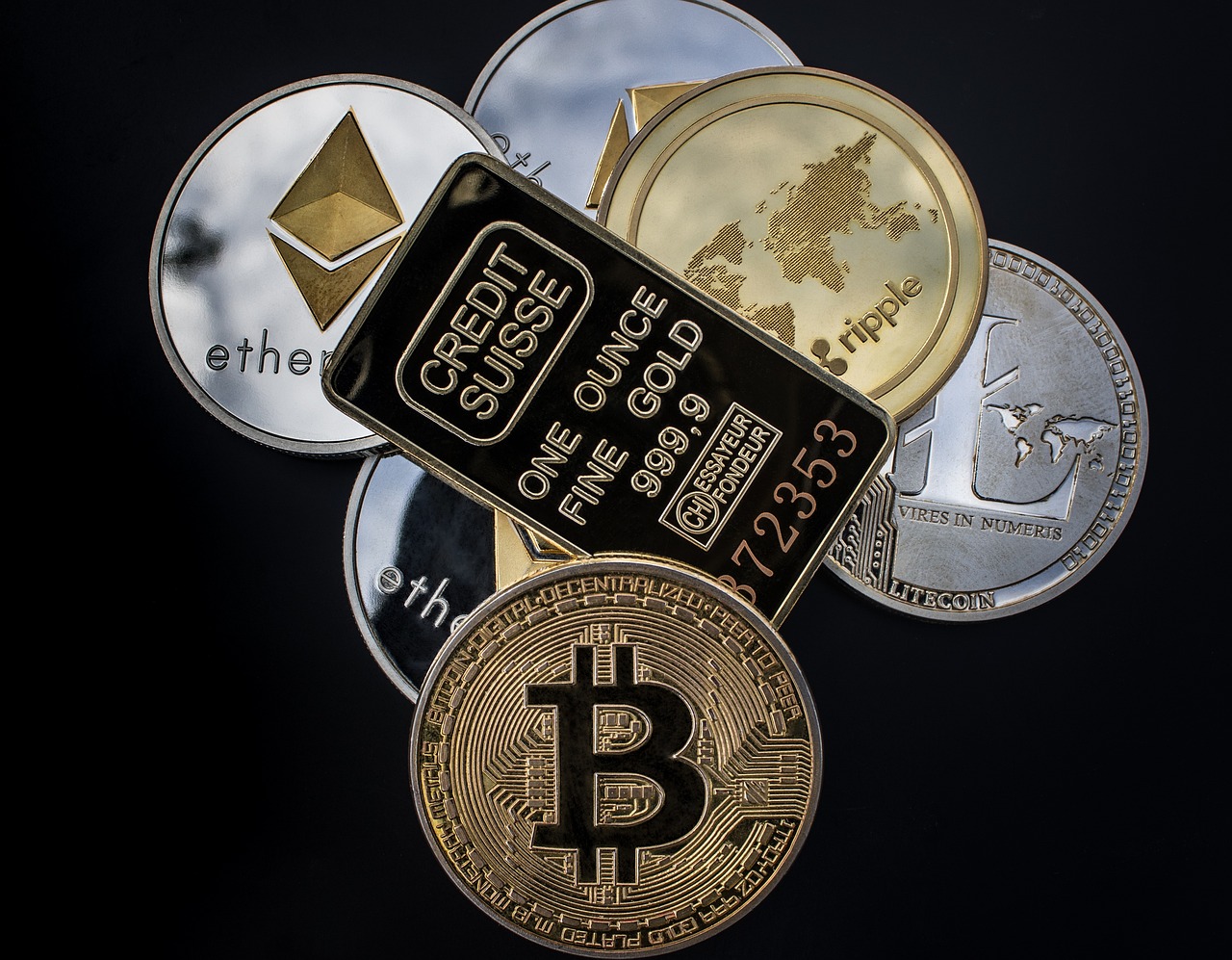
Welcome to the vibrant and ever-evolving universe of cryptocurrency. While Bitcoin often steals the spotlight as the pioneering digital currency, a whole galaxy of cryptocurrencies is waiting to be explored. From Ethereum’s intelligent contracts to Ripple’s lightning-fast transactions, each coin offers unique functionalities that cater to various needs. In this blog post, we’ll take you on an exciting journey beyond Bitcoin, diving deep into the diverse types of cryptocurrencies that are revolutionizing industries, empowering individuals, and reshaping our understanding of value in today’s digital age.
Bitcoin
Before diving into altcoins, let’s quickly cover the basics of Bitcoin. Launched in 2009, Bitcoin is the first cryptocurrency and the one that started it all. It was designed as a decentralized digital currency that could operate without a central bank or government. Transactions are verified by network nodes through cryptography and recorded on a public ledger called a blockchain. Bitcoin is often referred to as “digital gold” because, like gold, it’s seen as a store of value. With its limited supply (only 21 million Bitcoin will ever be mined), many view it as a hedge against inflation and economic instability. Despite its volatility, Bitcoin remains the dominant cryptocurrency by market cap. The www.airdropexperts.com site details more of Bitcoin’s history and basics.

Ethereum
Ethereum is arguably the most famous altcoin and is often considered the second most crucial cryptocurrency after Bitcoin. However, unlike Bitcoin, which is mainly used as a store of value or for peer-to-peer transactions, Ethereum is a platform that allows developers to build decentralized applications (DApps) and smart contracts. Ether (ETH) is the cryptocurrency used on the Ethereum network to pay for transactions and services. One reason Ethereum is so popular is its flexibility and potential for innovation. It’s the foundation of many other crypto projects, including decentralized finance (DeFi) and non-fungible tokens (NFTs).
Ripple (XRP)
Ripple is quite different from Bitcoin and Ethereum. While most cryptocurrencies aim to decentralize finance and cut out the middlemen, Ripple is designed to work within the traditional banking system. Its cryptocurrency, XRP, facilitates cross-border payments between financial institutions. One of Ripple’s most significant selling points is its speed and efficiency. Transactions with XRP take mere seconds, compared to the minutes or hours it might take with Bitcoin or traditional banking methods. This has made it a popular choice among banks and payment providers looking for a faster, cheaper alternative to current methods of international money transfers.

Litecoin
Litecoin, created in 2011 by Charlie Lee, a former Google engineer, is a “lighter” version of Bitcoin. It was designed to offer faster transaction times and lower fees, making it more suitable for everyday transactions. Litecoin’s blockchain processes transactions four times faster than Bitcoin’s, so it’s often referred to as “Bitcoin’s little brother.” While Litecoin doesn’t have the same brand recognition or market cap as Bitcoin or Ethereum, it has remained a solid contender in the cryptocurrency space. It’s often viewed as a testing ground for Bitcoin improvements, and its faster transaction speeds make it attractive for those who want to use cryptocurrency for smaller, daily purchases.
Cardano
Cardano is another altcoin that has gained considerable attention in recent years. Like Ethereum, it’s a blockchain platform that allows for the creation of smart contracts and decentralized applications. However, Cardano differentiates itself by heavily emphasizing sustainability and scalability. Cardano uses a proof-of-stake (PoS) consensus mechanism, which is considered more energy-efficient than Bitcoin’s proof-of-work (PoW) system. The team behind Cardano also takes a more academic approach, with its development being backed by peer-reviewed research. This has helped Cardano establish itself as one of the more promising projects in the crypto space.

Dogecoin
Dogecoin started as a joke, but it’s anything but a joke now. Created in 2013 as a fun, light-hearted cryptocurrency, Dogecoin was based on the famous “Doge” meme. Despite its origins as a parody, Dogecoin has grown into one of the most well-known altcoins, thanks partly to the solid online community behind it and endorsements from high-profile figures like Elon Musk. Dogecoin’s appeal lies in its simplicity and accessibility. It has low transaction fees and is often used to tip content creators online or to make small donations. While it doesn’t have the same technological backing or development focus as other cryptocurrencies, its grassroots community and meme status have made it a lasting part of the crypto world.
While Bitcoin may be the pioneer of cryptocurrencies, the world of crypto is vast and varied, thanks to the rise of altcoins. Whether you’re interested in decentralized applications on Ethereum, faster transactions with Litecoin, or even meme-based investing with Dogecoin, there’s an altcoin for everyone. Each cryptocurrency offers something unique, and as the technology continues to evolve, the future of crypto is looking brighter than ever.…